



The Tequila Process
Trips24/07/2017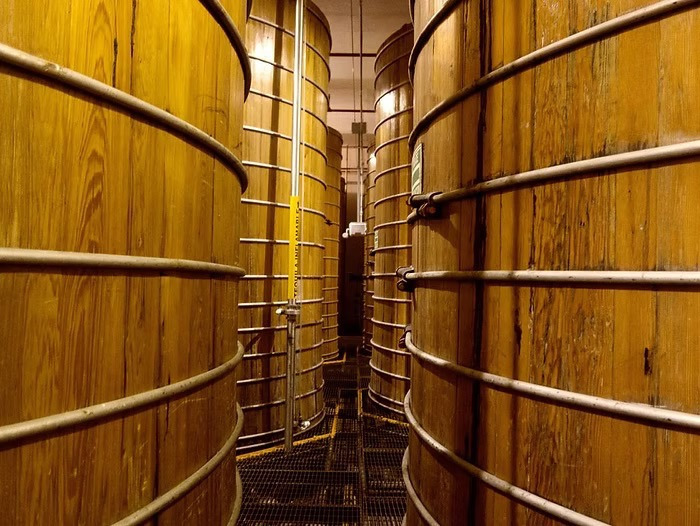
Tequila is a distilled beverage native to the municipality of Tequila in the state of Jalisco, Mexico. It is made from the fermentation and distillation of juice extracted from the agave, particularly the one known as blue agave. It is perhaps the most well-known and representative drink of Mexico in the world.
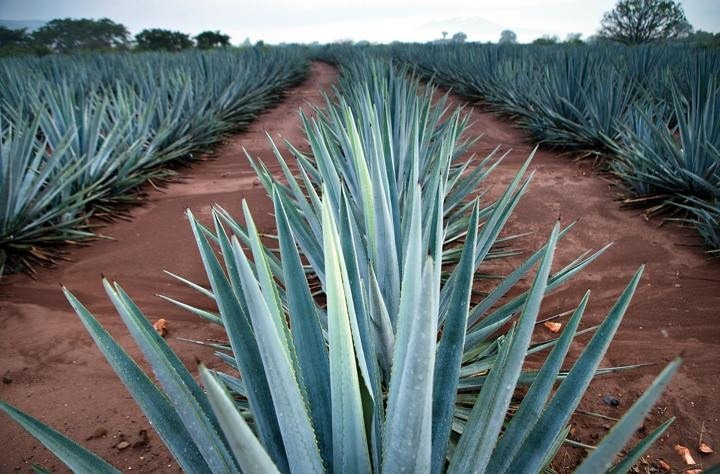 | 1. AGAVE The production of Tequila begins with the planting of the agave, which is a Greek word that means admirable or noble. They are grown in clay soils with a semi-dry climate without sudden changes in temperature. |
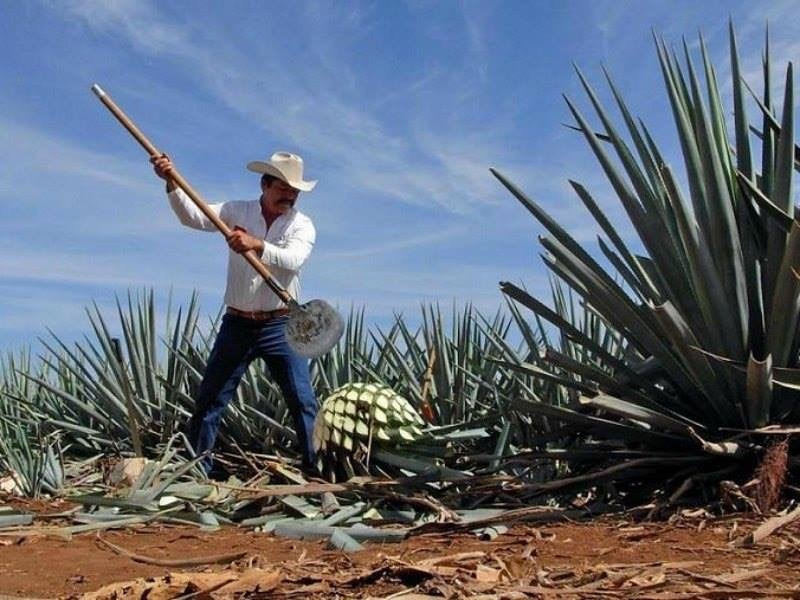 | 2. SHREDDING The purpose of this process is to prepare the agave fibers to extract the sugars by tearing the agave hearts as finely as possible by passing them through three consecutive shredders. |
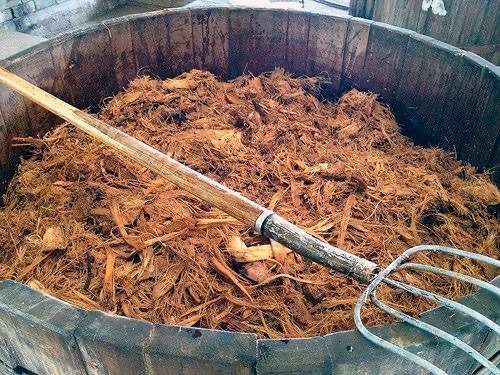 | 3. EXTRACTION During this process, the sugars contained in the shredded agave fibers are extracted in the form of a solution of water and agave sugar through a diffuser to perform a gentle extraction process. From here, the agave juice and bagasse are obtained. The latter is transformed into compost for the fields. |
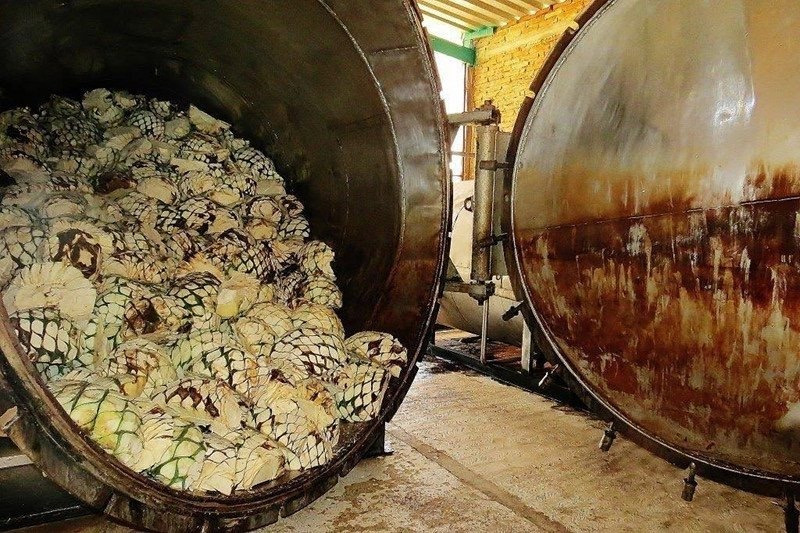 | 4. COOKING The sugars contained in the agave, such as inulin, are complex compounds that must be transformed into fermentable sugars through a hydrolysis process. It takes up to 6 hours to complete the conversion of inulins into fructose and glucose. |
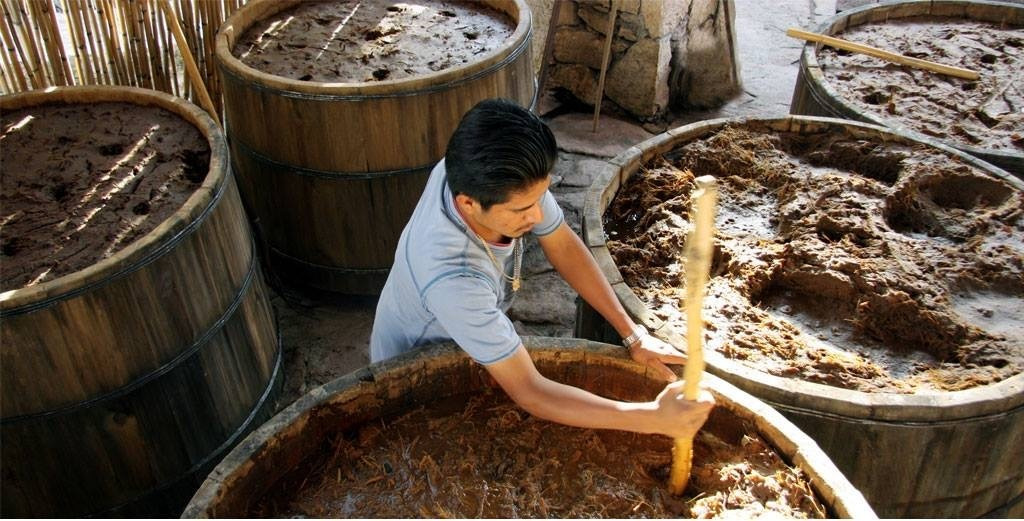 | 5. FERMENTATION Fermentation is carried out in stainless steel tanks using a proprietary blend of yeasts and nutrients. Each tank lasts from 24 to 28 hours with temperatures that vary from a start of 32° and ending up to 37°. |
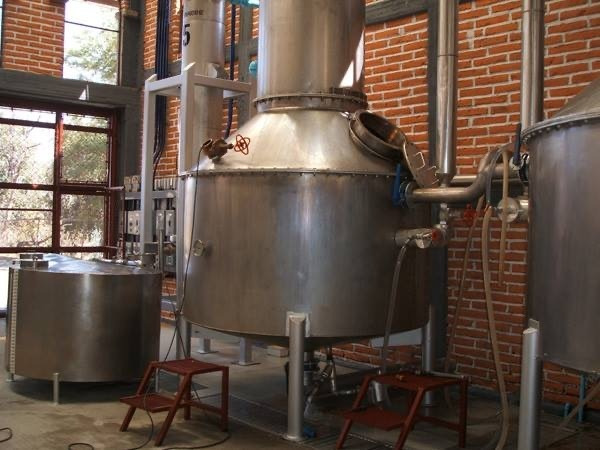 | 6. DISTILLATION The first distillation is carried out in distillation columns; in this step, water is removed and the alcohol from the fermented must is concentrated. Depending on the brand, the second distillation is done in stills to obtain a tequila with an alcohol range between 55-65%. |
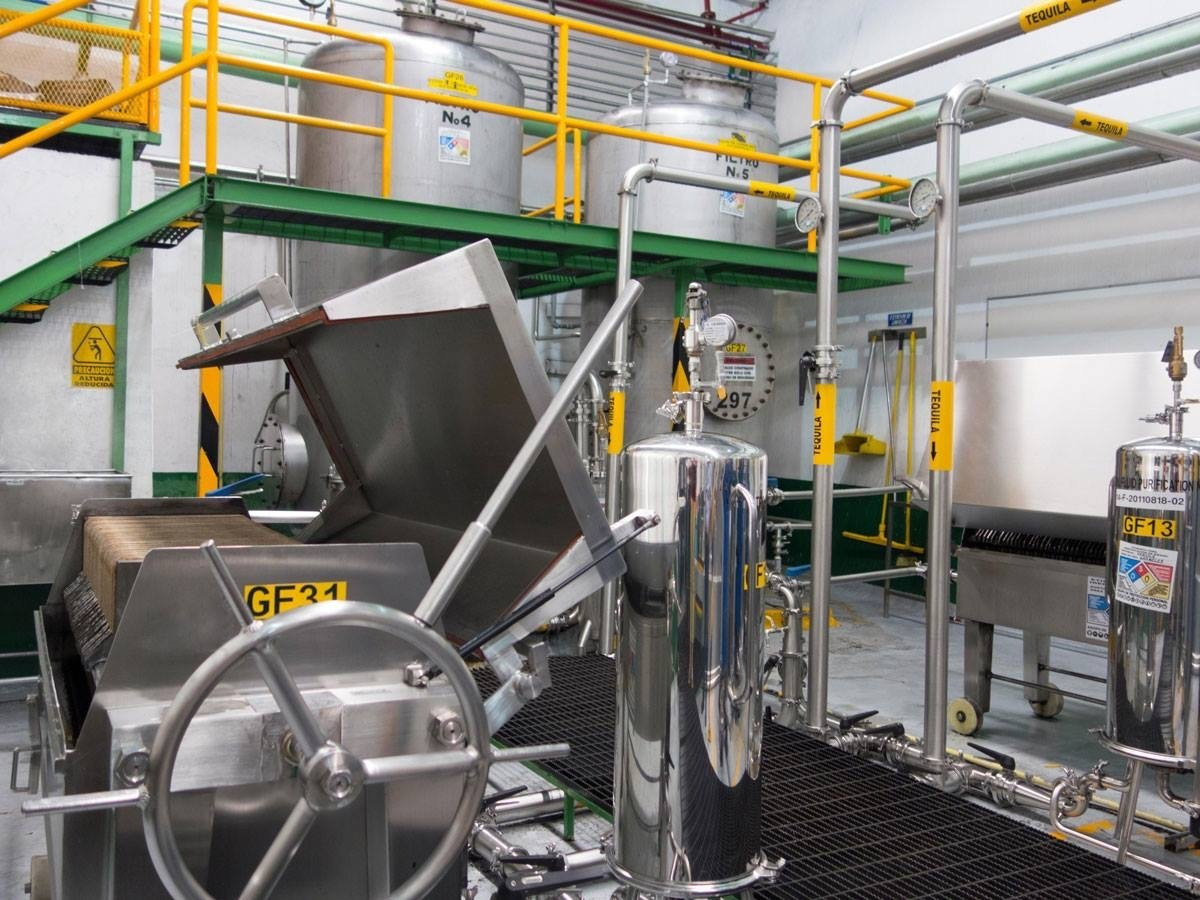 | 7. FILTRATION All tequilas are filtered using different media, starting with a cold filtration through a charcoal filter that removes excess fatty compounds that may give a cloudy appearance to the tequila. They ensure that there are no particles present in the liquid and give a bright finish to our tequilas. |
| 8. AGING Reposado tequilas are matured in oak wood containers for at least 2 months. Añejo tequilas are matured for at least 12 months in white oak barrels, and extra añejo tequilas rest for at least 36 months in white oak barrels. |
9. BLENDING/ASSEMBLY
In this process, demineralized water is added to adjust the alcohol content, and tests are performed to ensure consistency in the profile according to the standards of each brand.
Do you like a particular tequila?
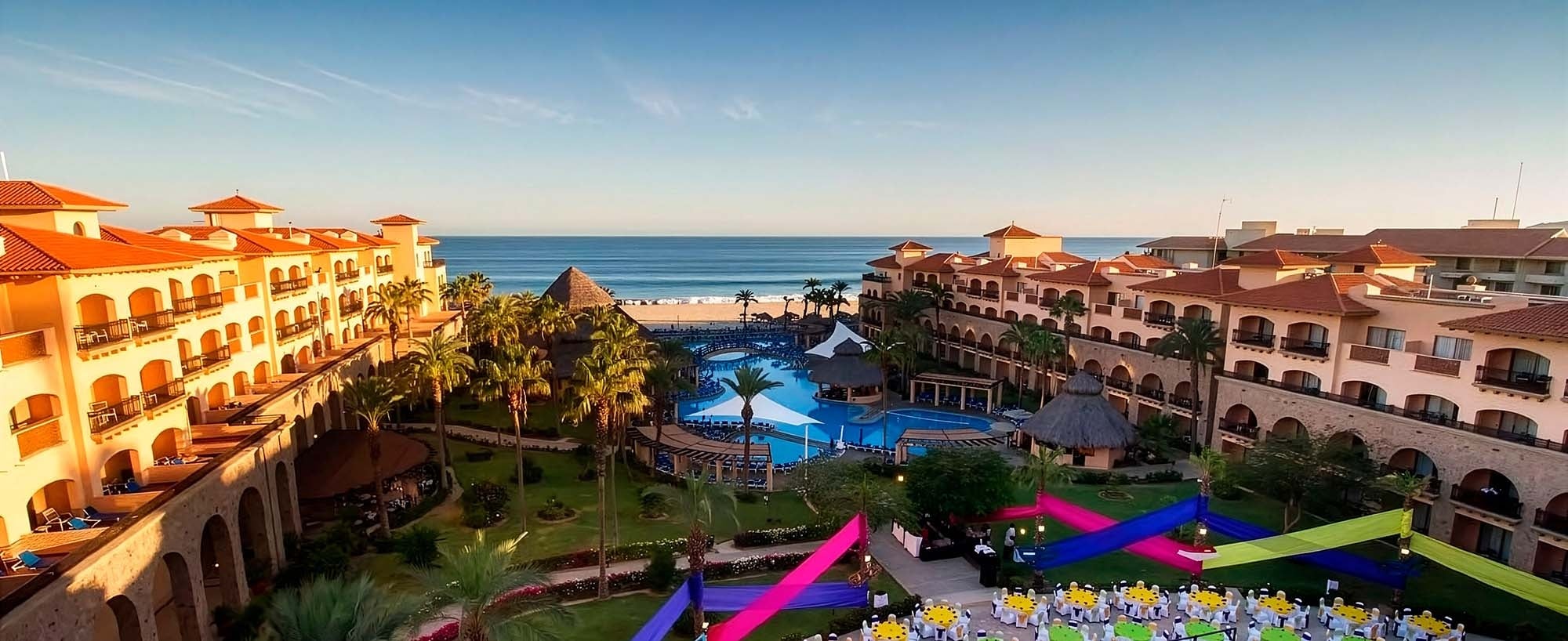
When you arrive on vacation at any of our Hoteles Solaris, don't miss visiting "La Bodeguita" where you can find different brands of tequila at a fabulous price and enjoy this 100% Mexican drink.