



Indigenous Peoples and their languages
Trips06/06/2017
By: Regina Sámano
The main consequence of the Conquest of Mexico, completed by the Spanish in 1521, was the mestizaje between indigenous and Spanish people.
The territory we know today as Mexico sheltered very diverse indigenous groups, perfectly differentiated from each other, not only by their varied cultural elements, such as traditional attire, housing, religious customs, or cuisine, but by something more sharp and evident: LANGUAGE.
At the end of the 20th century, our country remains one of the main ones on the planet regarding its indigenous cultural diversity. Regarding the number of its living indigenous languages, Mexico is in second place with 68 languages; in this case, most indigenous cultures are many centuries old, some even millennia old.
Its linguistic heritage is made up of 11 linguistic families, 68 groups of this type, and 364 variants, according to the figures.
When the Spanish arrived in Mexico, a survey of the number of languages spoken in the country was not conducted; the oldest data suggests that towards the 17th century, up to 100 languages were still spoken. With the 68 existing languages, Mexico is the country in America with the largest number of native language speakers.
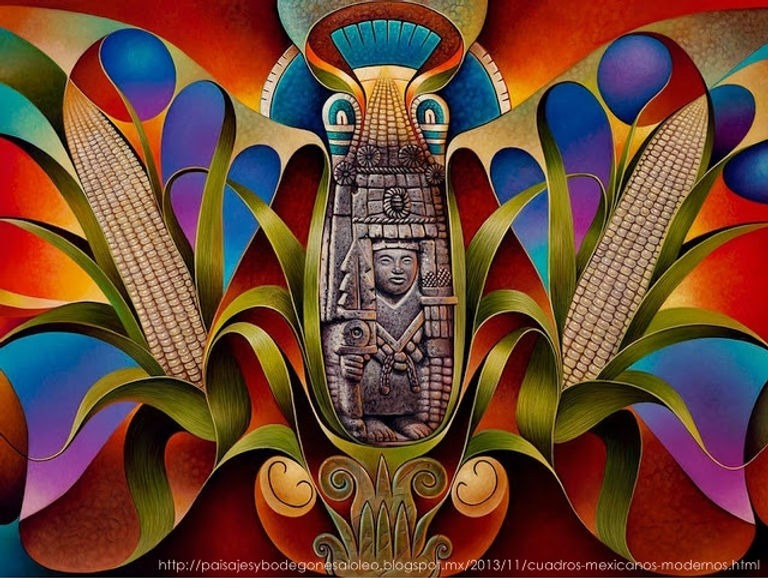
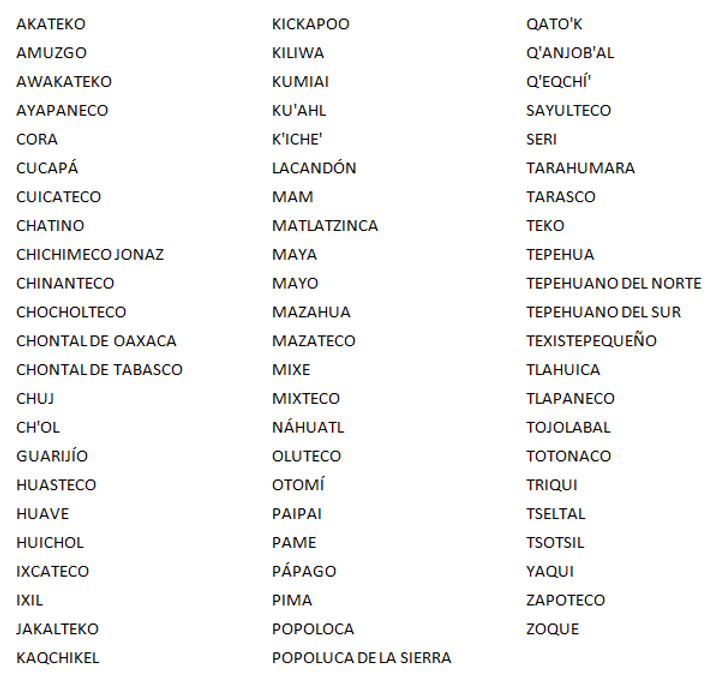
The 68 linguistic groups considered in this work, arranged in alphabetical order, are:
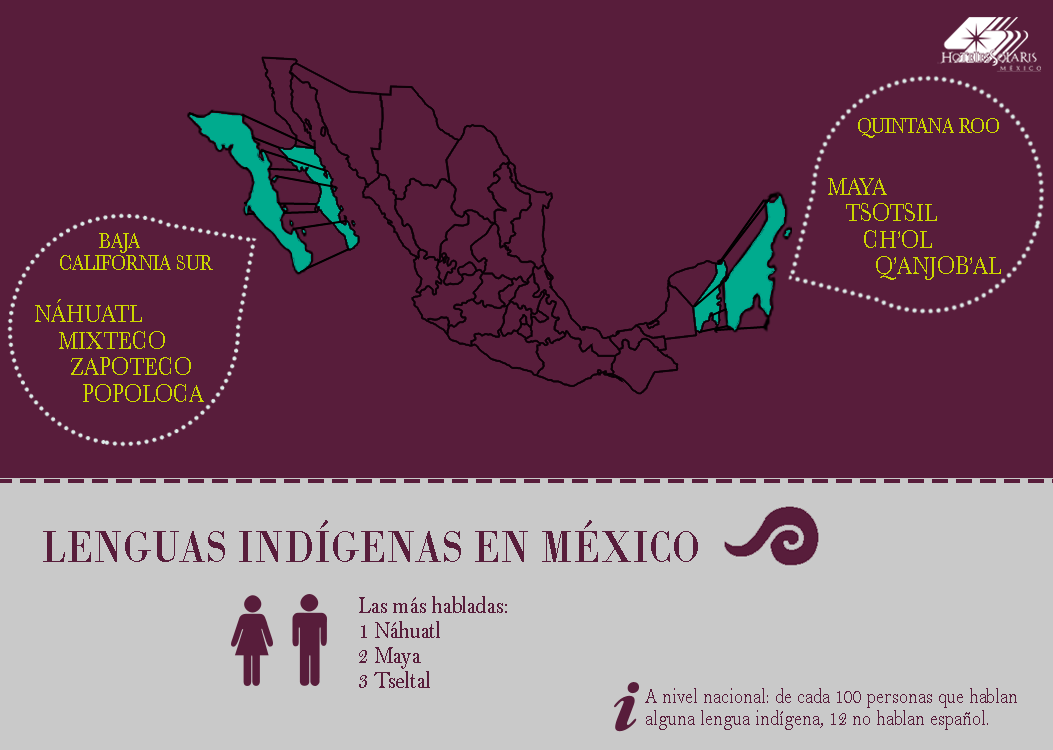
In Baja California Sur, only 1% of the population continues to use indigenous languages, even though all the native languages of this State are extinct. In this part of the Republic, the following are spoken:
- NAHUATL
- MIXTEC
- ZAPOTEC
- POPOLOCA
In Quintana Roo, 16% of the population still speaks an indigenous language. The languages that remain alive in this State of the Republic are:
- MAYA
- TSOTSIL
- CH'OL
- Q'ANJOB'AL
At Solaris Hotels in Mexico, we feel proud to be a 100% Mexican company that keeps its traditions and culture alive. #InternationalDayOfTheWorldsIndigenousPeoples
Come and get to know Mexico and its people!