












Day of the Dead Our Icons
Trips02/11/2017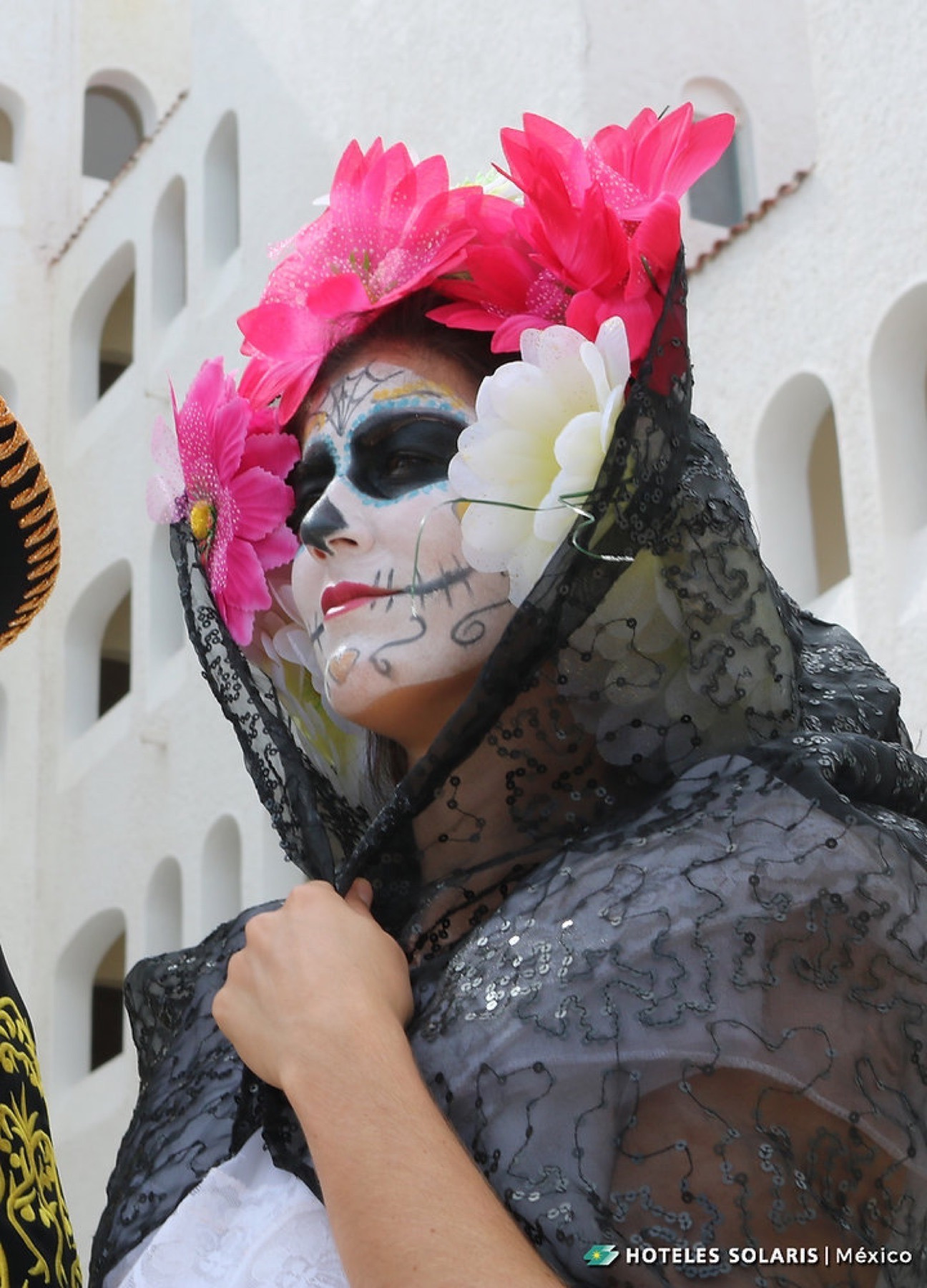
Life and death are an emblematic symbol that has caused admiration, fear, and uncertainty for human beings throughout history. One of the most captivating traditions in Mexico is the Day of the Dead, recognized by UNESCO as Intangible Cultural Heritage; it is a very important day for Mexicans, not as a common party, but as a celebration of life after death and the memory of loved ones who are no longer with us.
Many elements stand out in this celebration, for example, food or offerings, but the most iconic are the skulls, with La Catrina being the protagonist of this day.
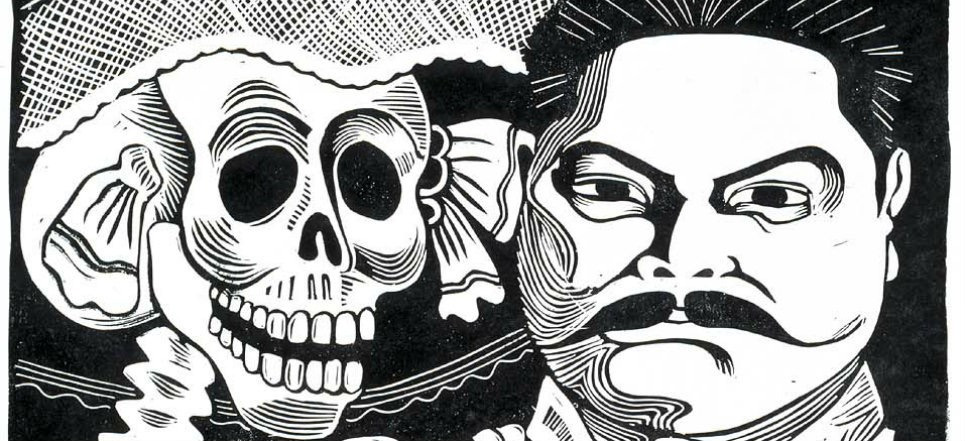
Created by José Guadalupe Posada, La Catrina represented not only the dead but also a social critique of people who denied their indigenous roots to appear part of high society. For this reason, La Catrina initially only wore a hat while the rest was the naked body of the skull, with the bones representing poverty and the hat being the hallmark of European high society in Mexico.
Some time later, muralist Diego Rivera painted her with the elegant clothing we know today, and she became a very important figure for Mexican culture; it was no longer a critique of the population, but rather she became an icon of the Day of the Dead.
But hand in hand with this, we have another type of skull, which are known as Calaveritas and are literary in nature.
These are verses that contain rhymes about the death of a person. It is not about a real death, nor does it even have to be a deceased person or someone in specific; it is a satirical way of describing personality traits or relevant aspects about them that can be humorous.
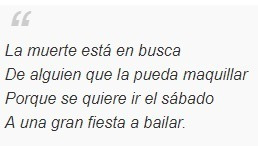
But just like La Catrina, their origins were not actually these; when they were created, calaveritas were made to mock members of the state or government, which is why they were long banned or censored until their publication in a newspaper in 1840.
At Hoteles Solaris de Mexico, we live this tradition with a celebration full of joy, beliefs, colors, flavors, culture, and customs.
Let's celebrate life on this day of the dead!
Hoteles Solaris de Mexico
www.hotelessolaris.com